Is Your Home's Armor Failing? 7 Signs Your Siding Needs Urgent Replacement
Your home's siding is more than just a pretty face; it's the first line of defense against everything our Rochester-area weather throws at it. From relentless summer sun to the heavy lake effect snow and punishing thaw/freeze cycles of winter, your siding works hard to protect your home's structure and keep your family comfortable. But like any exterior component, it has a lifespan. Ignoring the warning signs of failure can lead to costly, complex problems that go far beyond curb appeal.
So, how can you tell if your siding is simply showing its age or sending out an S.O.S.? This guide will walk you through the critical signs that indicate it’s time for a replacement, helping you protect your biggest investment before minor issues become major headaches.
1. Widespread Cracking, Warping, or Bubbling
Take a slow walk around your house and look closely at the siding panels. While a single cracked panel from a stray baseball might be a simple fix, widespread issues are a red flag.
- Cracks and Brittleness: Numerous cracks, chips, or pieces breaking off suggest the siding has become brittle and lost its resilience. This is often a sign that it has reached the end of its functional life.
- Warping and Bubbling: Do you see panels that are no longer flat against the house? Warping or bubbling is a serious symptom, often caused by excessive heat or, more critically, moisture trapped behind the siding. These deformities create gaps where more water can penetrate, accelerating damage to the structure underneath.
Once the structural integrity of the siding is compromised on a large scale, patching becomes ineffective. The material itself is failing, and a full replacement is the only way to restore your home's protective barrier.
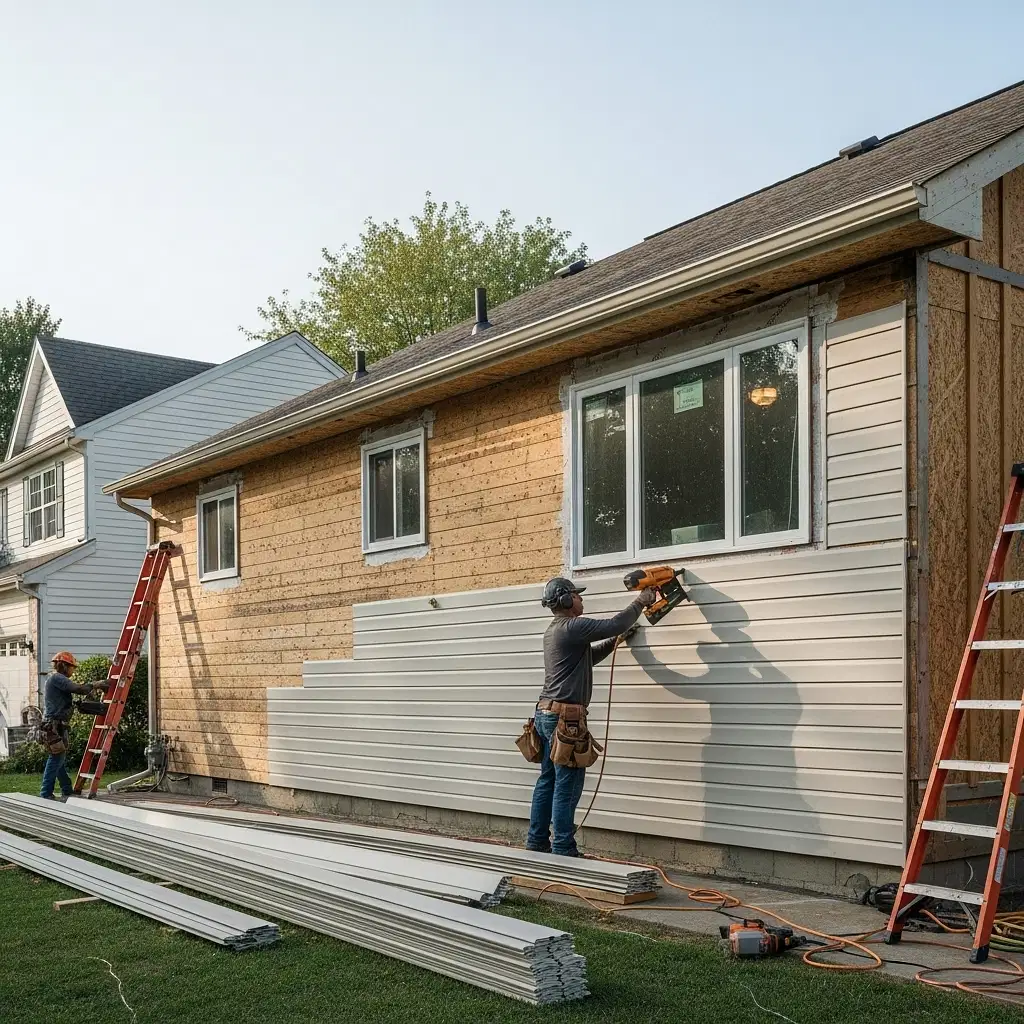
2. Evidence of Moisture Damage and Rot
One of the most critical functions of siding is to keep water out. When it fails, the signs of water damage behind the siding can be subtle at first but devastating if ignored. Be on the lookout for:
- Mold, Mildew, or Fungus: Dark spots or fuzzy growth on or near the seams of your siding panels indicate that moisture is being retained. This not only looks unsightly but can signal a much larger moisture problem lurking beneath the surface.
- Soft Spots: Carefully press on a few siding panels. If they feel soft, spongy, or punky, it's a tell-tale sign of dry rot in the siding or, even worse, the wall sheathing behind it. Rotting wood compromises your home's structural integrity and must be addressed immediately.
Water that gets behind failing siding can wreak havoc, leading to damaged insulation, rotted framing, and even mold growth inside your walls. This is why addressing siding issues promptly is so important; it can prevent the need for more extensive and expensive interior services down the road.
3. Fading Color and Frequent Painting
While it might seem like a purely cosmetic issue, the color of your siding tells a story about its health. Most modern siding products are designed with a protective topcoat that provides color and weather resistance. When this layer breaks down, problems begin.
Significant or uneven fading means the siding's waterproofing and UV protection have worn away. The material is now more porous and vulnerable to moisture. If you have painted siding, do you find yourself needing to scrape and repaint every few years? This is a strong indicator that the siding is no longer holding paint effectively because it's absorbing moisture, causing the paint to peel and chip away. Constant maintenance is a sign that the underlying material has failed.
4. A Sudden Spike in Your Energy Bills
Have you noticed your heating and cooling costs creeping up without any other explanation? Your siding could be the culprit. Siding contributes to your home's overall insulation system, or R-value. When it's cracked, warped, or has pulled away from the walls, it creates drafts and allows conditioned air to escape.
Furthermore, the underlayment or house wrap beneath the siding can degrade over time. Replacing your siding provides an opportunity to install a modern, high-performance house wrap. This is one of the key energy efficient siding benefits, as it creates a superior air and moisture barrier, helping to lower your utility bills and make your home more comfortable year-round.
Making the Right Choice for Your Home
Deciding between cracked siding repair vs replacement can be tough. A good rule of thumb is to consider the extent of the problem. If you have isolated damage on a few panels and the rest of your siding is in good shape, a repair might suffice. However, if you're seeing any of the widespread issues mentioned above—like extensive cracking, signs of rot, or poor energy performance—a full replacement is the wisest long-term investment.
Putting a bandage on a failing system will only lead to more expenses and potential structural damage in the future. A full siding replacement not only solves these problems but also boosts your home's curb appeal, increases its value, and gives you peace of mind.
If you've noticed these warning signs on your Webster home, don't wait for the problem to get worse. The team at Home Solution Experts is here to help. We offer comprehensive siding inspections and professional installation services to protect your home for decades to come. Contact us today to schedule your free, no-obligation estimate!