How Proper Attic Ventilation Protects Your Roof
If you have lived through a few winters here in the greater Rochester area, you know exactly how demanding the weather can be on a home. We get everything from driving rain in the spring to heavy, wet lake-effect snow throughout the winter months. As homeowners, we spend a lot of time thinking about the shingles on our roof, but we often overlook what is happening right underneath them. Proper attic ventilation is the unsung hero of your home's exterior defense system.
Without a balanced flow of air moving through your attic, even the highest quality roofing materials will fail long before they should. Whether you are dealing with blistering summer heat or freezing WNY temperatures, understanding how your attic breathes is the key to protecting your investment, avoiding costly interior damage, and keeping your energy bills in check.
The Hidden Dangers of Poor Airflow
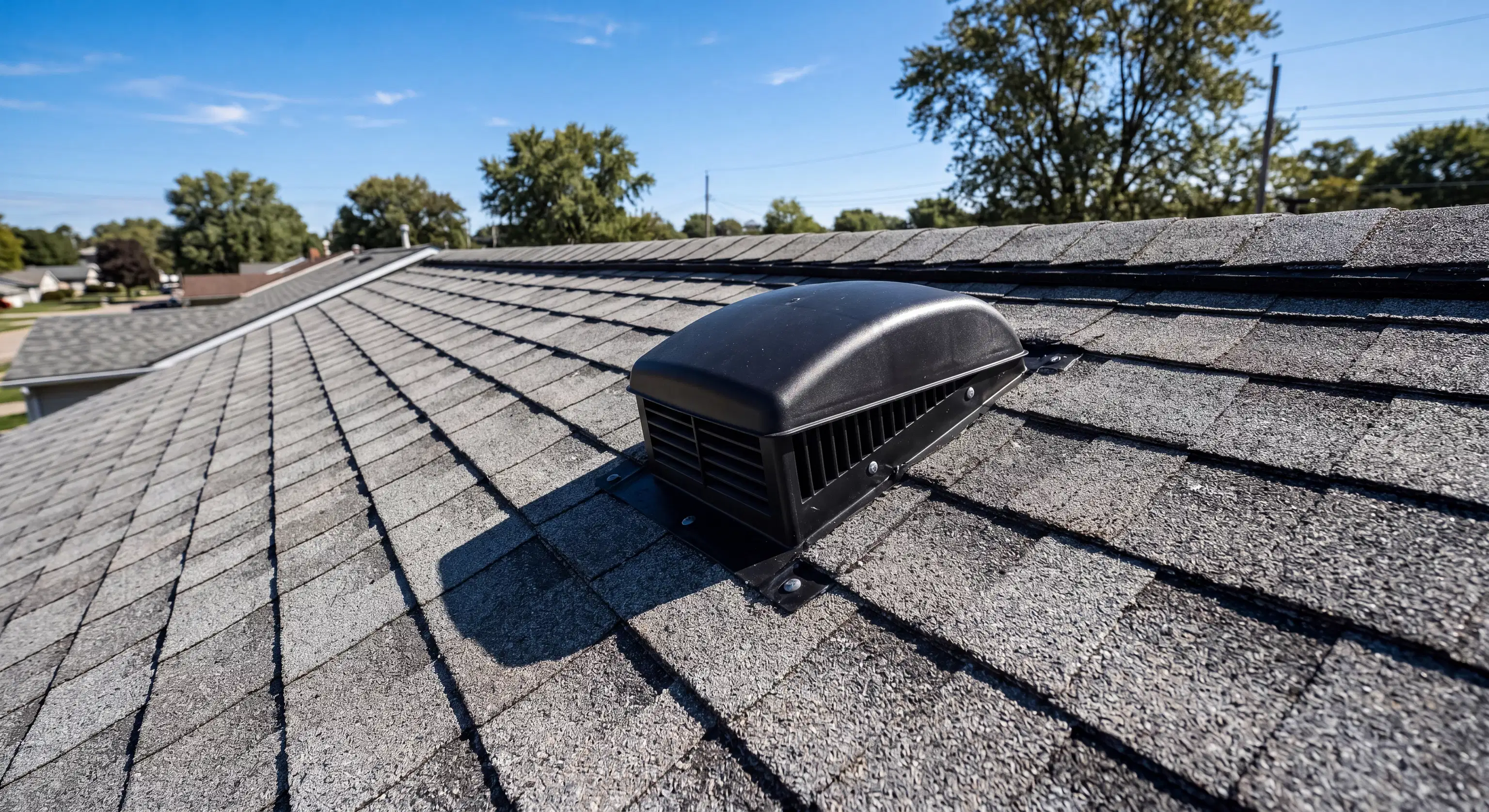
You might assume that keeping your attic sealed tight is the best way to keep the elements out. In reality, a sealed attic traps moisture and extreme temperatures, creating a hostile environment for your home's structure. Understanding how attic airflow prevents moisture damage is crucial for any homeowner who wants to maximize the lifespan of their property.
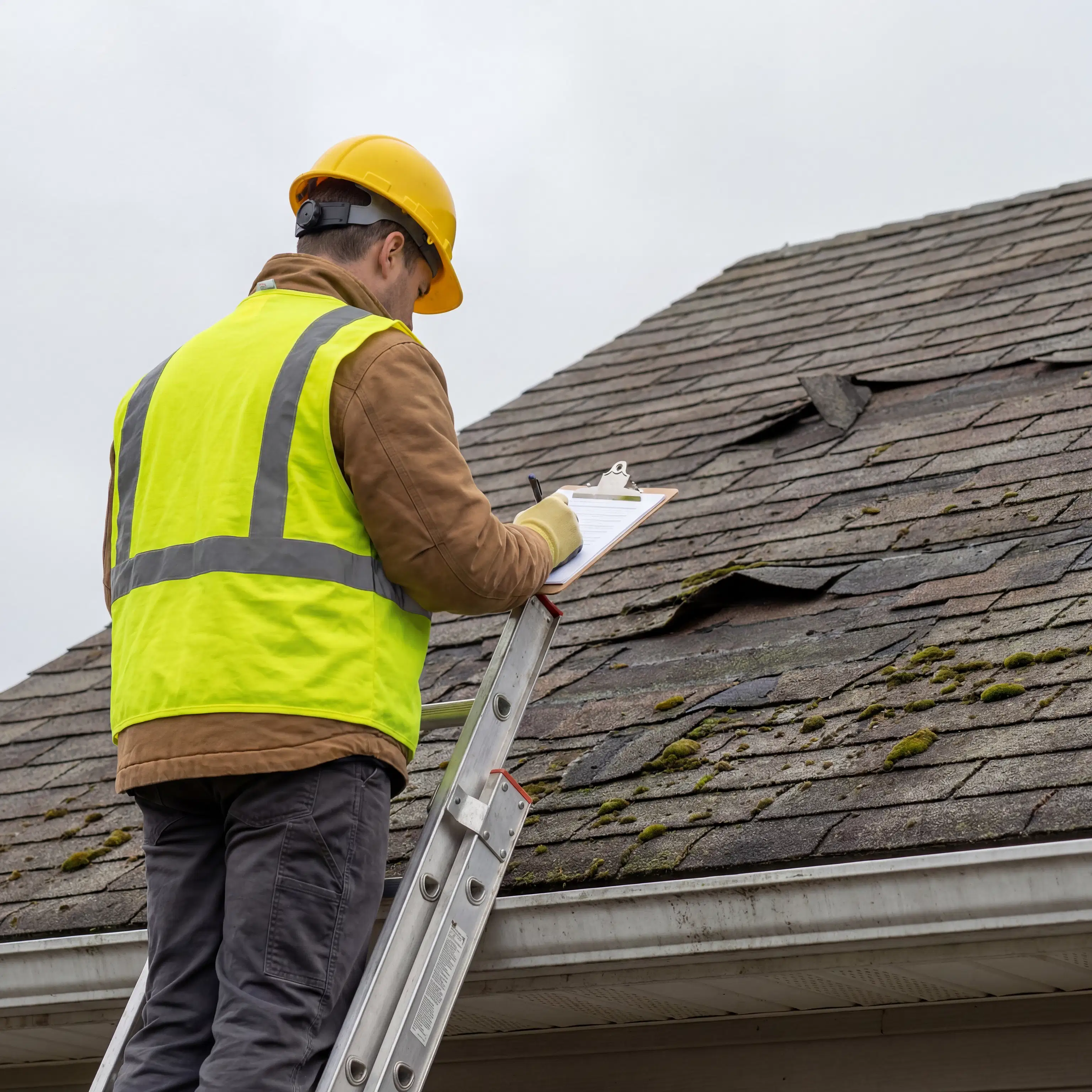
During the summer, an unventilated attic basically acts like an oven. The trapped heat bakes your roof from the inside out. This intense heat causes the asphalt shingles to crack, blister, and prematurely age. If you are noticing signs of poor attic ventilation on shingles—like curling edges, localized granule loss, or a wavy appearance—there is a good chance your roof is suffocating under the trapped heat.
In the winter, the problem shifts from heat to moisture. The daily activities in your home, like cooking, showering, and doing laundry, generate warm, moist air that naturally rises into the attic. If it has nowhere to escape, this moisture condenses on the cold underside of your roof deck. Over time, this constant condensation leads to wood rot, compromised structural integrity, and dangerous mold growth. When moisture issues get out of hand, they often spread beyond the attic space, requiring comprehensive interior services to repair water-damaged drywall, ceilings, and insulation.
Beating the Ice Dam Threat
One of the most frequent questions we hear from homeowners is how to handle ice dams and whether they can be prevented. An ice dam is a ridge of ice that forms at the edge of a roof, preventing melting snow from draining off the roof. The water that backs up behind the dam can leak into a home and cause extensive damage to walls, ceilings, and structural supports.
The root cause of an ice dam is almost always poor attic ventilation combined with inadequate insulation. Here is how it happens: warm air from your living space escapes into the attic and heats the upper parts of your roof. This melts the snow resting on your shingles. The water runs down the roof until it hits the cold eaves, which extend past the exterior walls and aren't warmed by the attic. There, the water refreezes, eventually building up into a thick wall of ice.
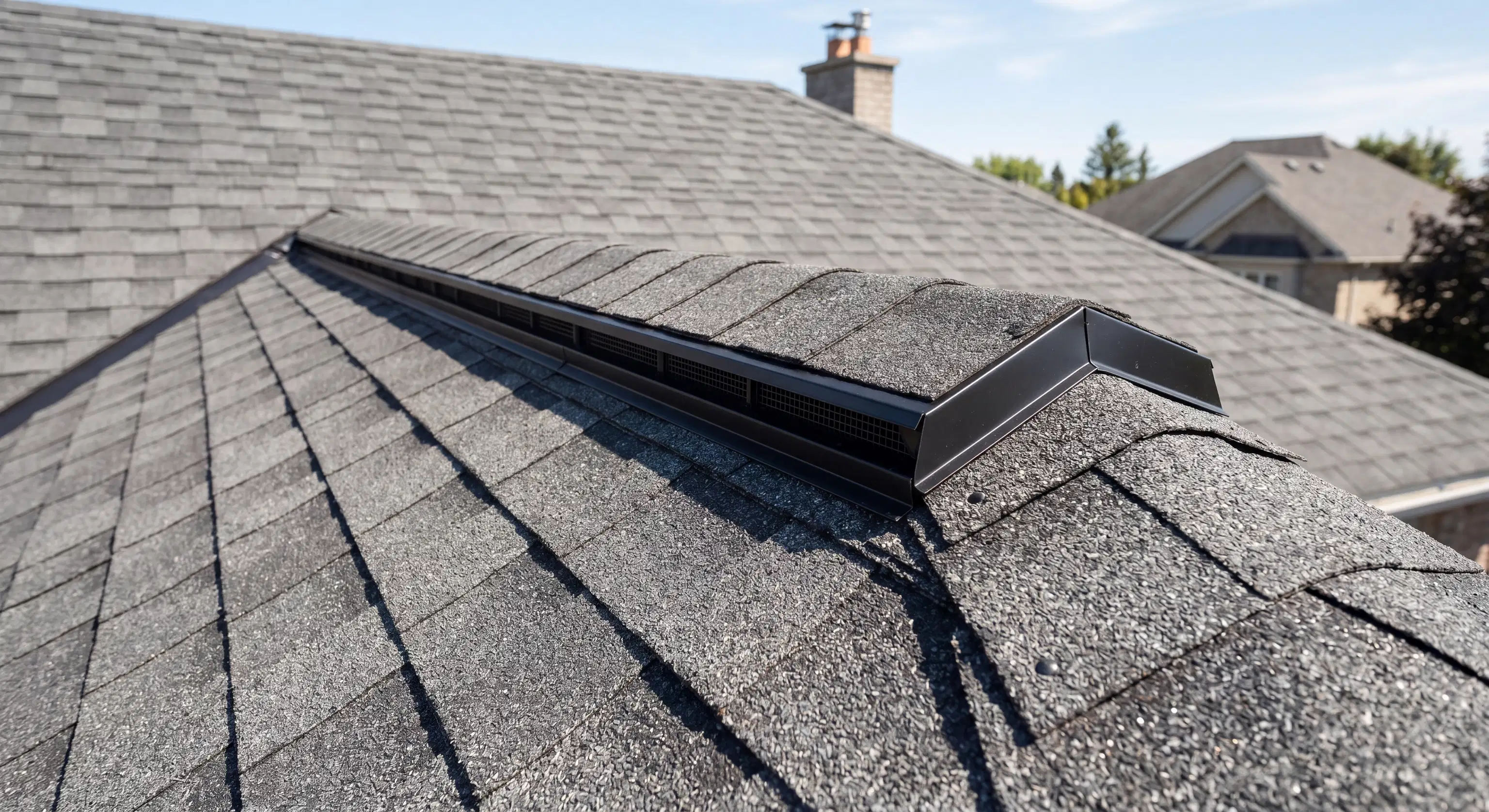
A well-ventilated attic maintains a uniform, cold temperature across the entire roof deck, preventing the snowmelt in the first place. By ensuring your intake vents at the soffit and exhaust vents at the ridge are working together, you keep the roof cold and significantly reduce the risk of ice dams forming. This simple airflow mechanic is critical for surviving a heavy snow season in the Flower City without experiencing emergency leaks.
Improving Ventilation Before a Replacement
If you are planning to upgrade your home's exterior soon, improving attic ventilation before roof replacement should be at the top of your priority list. Installing brand new shingles over an improperly ventilated attic is a recipe for disaster. In fact, most major manufacturers require adequate ventilation to keep their extended warranties valid. Without it, the life expectancy of your new investment is severely compromised.
At Home Solution Experts, our approach goes beyond just nailing down new shingles. We take the time to evaluate the entire roofing system. A proper assessment ensures that the intake and exhaust are perfectly balanced for your specific square footage. This meticulous attention to detail is why our full roof replacement projects stand the test of time, giving you peace of mind no matter what the forecast brings.
We also understand that a new roof is a significant capital expense, and budget concerns are real. That is why we focus on transparent, detailed estimates with absolutely no hidden fees. Plus, we offer flexible financing options to help you manage the cost of upgrading your ventilation and roofing system without unnecessary financial stress.
Protect Your Home from the Inside Out
Your roof does a lot of heavy lifting to keep your family safe and dry, but it cannot do it alone. It needs a healthy, breathing attic to function correctly. From preventing structural rot and indoor mold to defending against the destructive force of winter ice dams, proper ventilation is essential for the long-term health of your home.
If you are unsure whether your property has adequate airflow, or if you are already seeing the warning signs of poor ventilation on your shingles or interior ceilings, do not wait for the next major weather event to find out.
Reach out to the team at Home Solution Experts today. We are proud to be serving the 585 with honest assessments, superior craftsmanship, and solutions designed to protect your home for decades to come. Contact us to schedule a comprehensive evaluation and learn how we can help safeguard your greatest investment.