
A Rochester Homeowner's Guide to Preventing Ice Dams
There’s nothing quite like a Rochester winter. The beauty of a fresh blanket of snow is undeniable, but as homeowners, we know that our climate brings unique challenges. The same weather that makes for a cozy evening indoors can be silently waging war on your roof. One of the most common and destructive results of our tough winters is the formation of ice dams. These thick ridges of ice at the edge of your roof might look like a normal part of winter, but they can lead to serious water damage inside your home.
Understanding what causes ice dams is the first step toward protecting your biggest investment. It’s not just about the heavy lake effect snow we get; it’s about how your home handles that snow. This guide will walk you through what ice dams are, how to spot them, and most importantly, how to prevent them from causing costly problems. As your local roofing experts, we've seen it all and are here to help you keep your home safe and dry, season after season.
What Causes an Ice Dam?
An ice dam is more than just a large icicle. It’s a clear sign that something is wrong with the balance of heat and insulation in your home. The process is a perfect storm created by our unique weather patterns.
Here’s how it happens:
- Heat Escapes: Warm air from your living space leaks into the attic. This can be due to inadequate insulation, unsealed gaps around light fixtures, or poor ventilation. This warm air heats the underside of your roof deck.
- Snow Melts: The snow on the upper parts of your now-warm roof begins to melt, even when the outside temperature is below freezing.
- Water Refreezes: The meltwater runs down your roof until it reaches the cold eaves (the edges of the roof that extend past the walls). Here, where there is no attic heat below, the water refreezes into a ridge of ice.
- A Dam is Formed: As this cycle continues, the ridge of ice grows larger, creating a dam. This dam traps the melting water behind it, forming a small pool on your roof.
This is where the real trouble begins. This standing water has nowhere to go but up and under your shingles, where it can leak into your attic, ceilings, and walls. The constant thaw/freeze cycles we experience in this region can make this problem even worse, putting immense stress on your roofing materials.
Signs You Have an Ice Dam Problem
Being proactive is key to preventing major damage. While some signs are obvious, others can be more subtle. It's important to know what to look for, both inside and outside your home.
Exterior Warning Signs:
- A Ridge of Ice: The most definitive sign is a thick band of ice along the eaves of your roof.
- Large, Abundant Icicles: While not every icicle means you have a problem, numerous large icicles forming along the gutters or soffits are a strong indicator that water is freezing where it shouldn't be.
- Ice Behind Gutters: If you can see ice that has pushed its way behind or under your gutters, it’s a sign that a dam has formed.
Interior Warning Signs:
- Water Stains: Look for discoloration or staining on the ceilings and walls near the exterior of your house. This is a classic sign that water has breached your roof.
- Peeling Paint: Moisture getting into your walls can cause paint to bubble or peel.
- Dampness in the Attic: If it's safe to do so, check your attic for damp insulation, wet spots on the underside of the roof deck, or a musty smell. These are urgent signs that require immediate attention.
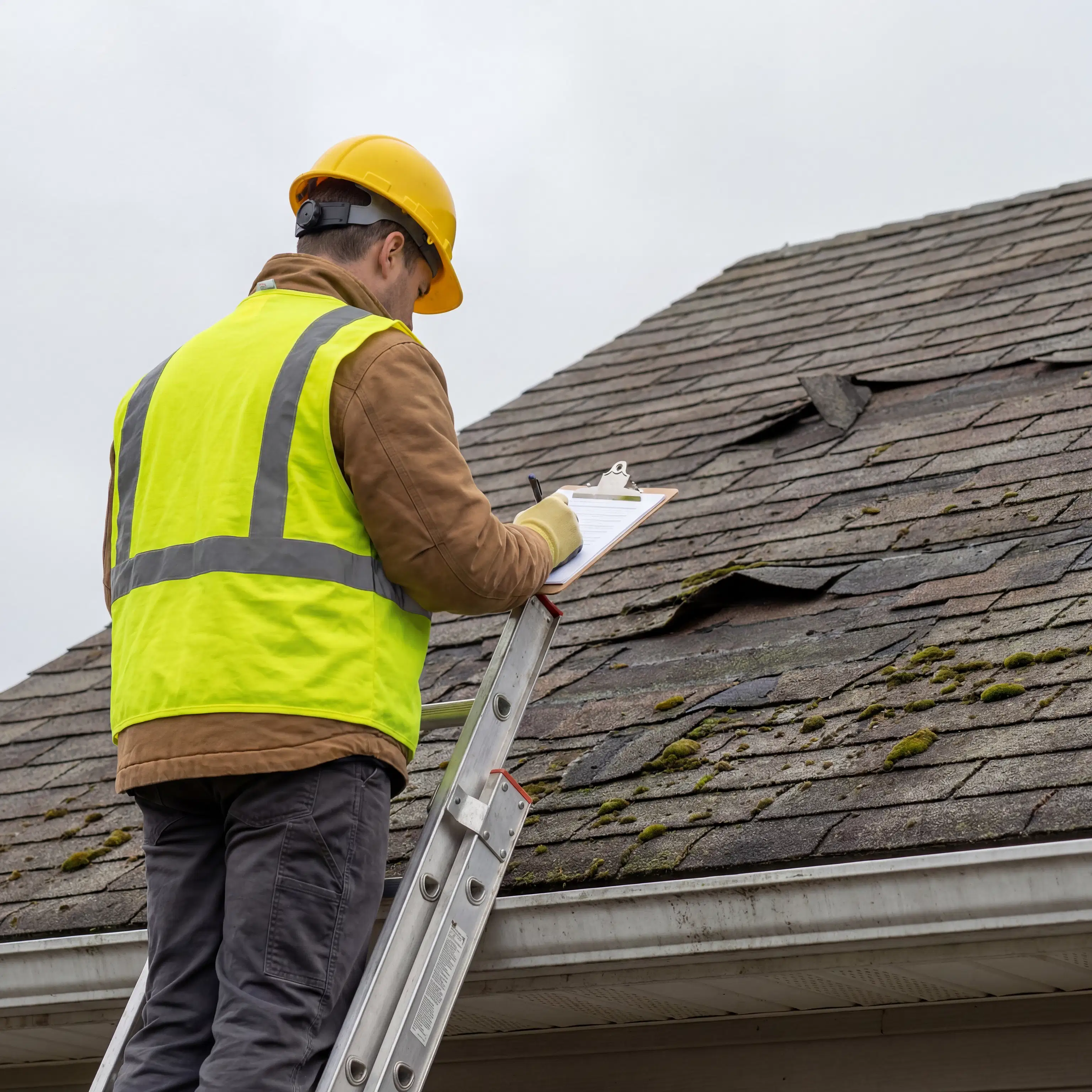
If you notice these interior signs, the damage has already begun. It's crucial to contact a professional for a roof repair inspection to assess the extent of the leak and prevent further harm.
The Real Solution: Long-Term Prevention
While you can have existing ice dams professionally removed (we recommend steam, never a hammer or salt!), the only way to truly solve the problem is to address its root causes. The goal is to keep your entire roof the same temperature as the outdoor air. This is achieved through a balanced system of insulation and ventilation.
-
Proper Attic Insulation: The most critical step is to prevent warm air from reaching your roof deck in the first place. A thick, even layer of insulation on your attic floor acts as a barrier, keeping the heat where it belongs—in your living space. This not only prevents ice dams but also significantly improves your home's energy efficiency, which is a major priority for modern homeowners.
-
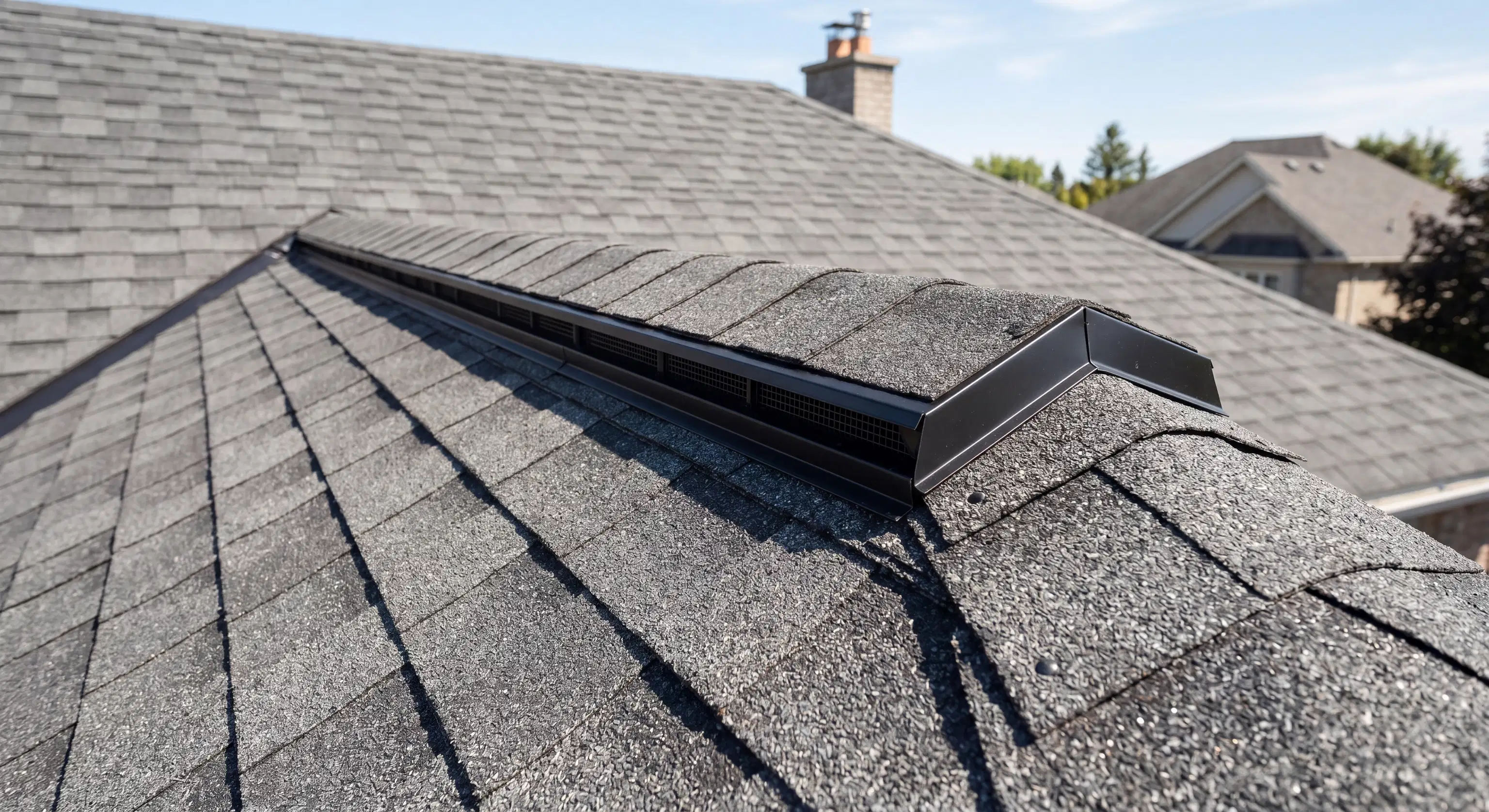
Soffit and Ridge Ventilation: A well-ventilated attic allows cold air to enter through vents in the soffits (the underside of your eaves) and exit through vents at the ridge (the peak of the roof). This constant airflow keeps the attic space cold and dry, ensuring the roof deck remains at a consistent temperature and preventing snow from melting prematurely.
-
Air Sealing: Before adding insulation, it's vital to seal any air leaks from your heated living space into the attic. Common culprits include gaps around plumbing vents, recessed lighting, chimneys, and the attic access hatch.
In many cases, recurring ice dams are a symptom of an aging or improperly installed roofing system. A modern full roof replacement isn't just about new shingles; it's an opportunity to install a complete system with the right insulation, ventilation, and water-shielding underlayment designed to withstand our harsh winters for decades.
Protect Your Home This Winter
Ice dams are a serious threat to homes in our area, but they are preventable. By focusing on the root causes—heat loss and poor ventilation—you can protect your property from costly water damage and improve your home's overall energy efficiency. A well-insulated and ventilated attic is the best defense against the challenges of a Rochester winter.
Don't wait for water stains to appear on your ceiling. If you've struggled with ice dams in the past or see the warning signs on your roof, it's time to take action. Contact the team at Home Solution Experts today. We provide comprehensive roof inspections to identify vulnerabilities and can recommend the right solution, whether it's a targeted roof repair or a complete full roof replacement that will give you peace of mind for years to come. Schedule your free estimate by visiting our contact page or giving us a call.